Marine Biodiversity
Why Biodiversity Matters in the Ocean
Marine biodiversity is essential for maintaining the ecological balance of our oceans. Every species plays an important role in its ecosystem. When one species disappears, others can be thrown out of balance, ultimately putting the entire ecosystem at risk. A rich diversity of species also helps maintain stable food webs, which provide a vital source of food for fish and many other species – and ultimately for us. Many chemical compounds found in the ocean also have medicinal potential. When a species becomes extinct, we may lose opportunities to discover and develop new medicines. Marine biodiversity also plays an important role in regulating the climate. The oceans absorb carbon dioxide, helping to mitigate climate change. A decline in biodiversity can reduce this capacity and further intensify global warming. Protecting marine biodiversity is therefore essential for healthy, functioning ecosystems that provide us with food and many other vital resources.

The Evolution of Marine Biodiversity
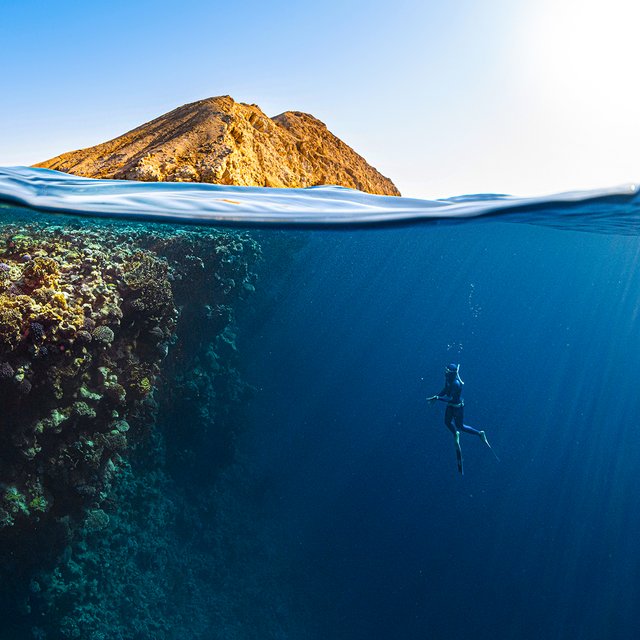
Marine biodiversity is the result of millions of years of evolution. Over time, species have adapted to a wide range of environmental conditions and evolved in different regions of the ocean. One important factor in the development of marine biodiversity is geographic isolation.
Geological events such as continental drift and the formation of oceans separated marine populations, allowing them to evolve independently and giving rise to new species.
Different environmental conditions, including temperature, salinity and light levels, have also shaped the way species adapt and evolve in different parts of the ocean.
Another important factor is competition between species. The evolution of predators, for example, led to the development of prey species and contributed to further diversification. Symbiotic relationships, in which different species benefit from one another, have also played a role in the emergence of new species.
What Happens When Too Many Marine Species Disappear?
How many species live in our oceans? No one knows for certain. Estimates range from around one to two million species, yet only about 240,000 marine species have been scientifically identified and described. One thing is clear: biodiversity makes ecosystems more resilient. In the ocean, biological diversity helps ecosystems function – and those ecosystems provide us with essentials such as oxygen and food.
Changes in the composition of species are a natural process and occur even without human influence. But industrialisation and other human activities are accelerating these changes – ultimately to our own detriment.
So what happens when too many marine species disappear? Science does not yet have all the answers. But the effects of unintended changes can already be seen. When certain jellyfish species multiply rapidly due to overfishing removing important species from the food web, for example, the consequences can be difficult to predict.
Or consider a much more familiar example: an apple in the supermarket has travelled further than you might think. For an apple tree to bear fruit, its blossoms need to be pollinated, often by bees and other insects. If important pollinators disappear, harvests can suffer. What begins as the loss of a seemingly insignificant species can eventually reach us – right in our shopping basket.

What we know from life on land also applies beneath the surface:
When one part of an ecosystem disappears, the effects can ripple
through an entire chain of species – ultimately reaching us, too.
Unknown Species in the Ocean – What Is Still Out There?
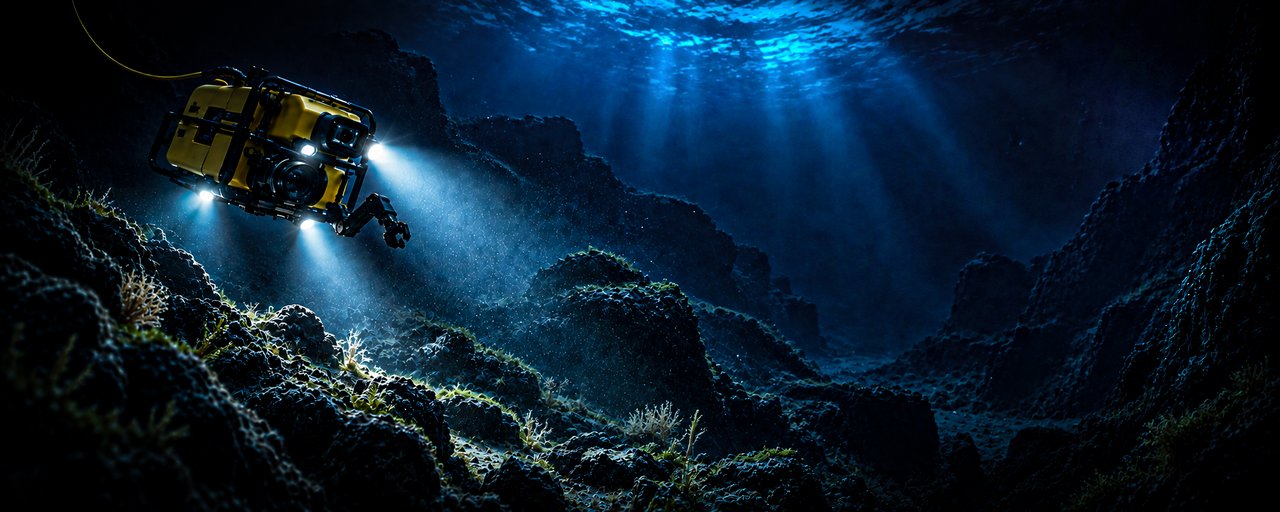
Despite decades of marine research, we still know only a fraction of the biological diversity in our oceans. Particularly in the deep sea, countless species are likely still waiting to be discovered and described. And with every new discovery, our understanding grows of just how complex marine communities and the relationships between species truly are.
This makes it all the more important not to destroy habitats before we have even fully understood them. We often do not yet know which species exist, what role they play in their ecosystems or how they are connected to one another. That also makes it difficult to predict the consequences of our own interventions.
Perhaps this is one of the greatest challenges of the years ahead: to protect what we know – while continuing to discover what we do not yet know.